
Popular Halal Western Dishes Malaysians Love: A Personal Journey through Taste
Malaysia is a country where food is not just food—it is identity, comfort, celebration, and conversation. Growing up and living in Malaysia, I’ve always believed that if you want to truly understand Malaysians, you need to understand how and what we eat.
While traditional Malaysian dishes like nasi lemak, rendang, satay, and laksa will forever hold a sacred place in our hearts, there’s another side of our food culture that has grown tremendously over the years: halal Western food.
As a Muslim-majority country, halal compliance is not a trend here—it’s a necessity. What’s fascinating is how Western cuisine has been adapted, localized, and embraced in a way that feels completely natural to Malaysians.
From roadside cafés to upscale restaurants, halal Western dishes are everywhere. In this article, I’m sharing this topic from personal experience—from meals with friends, family outings, late-night cravings, café hopping, and countless food experiments across different states in Malaysia.
This is not just a list of dishes. It’s a story of how Malaysians experience halal Western food in real life.
How Western Food Became Part of Malaysian Daily Life
I still remember the first time Western food felt “normal” rather than “special.” It wasn’t at a fancy restaurant. It was at a small halal café near a college area, serving grilled chicken chop with black pepper sauce, fries, and coleslaw.
The place was packed—not with tourists, but with students, families, and office workers. That’s when it clicked: Western food in Malaysia isn’t foreign anymore.
Western cuisine entered Malaysia years ago through colonial history, global travel, and international brands. But what made it truly successful was adaptation. Pork was replaced with chicken, beef, or lamb.
Alcohol-based sauces were removed or reformulated. Spices were adjusted. Portion sizes matched Malaysian appetites. And most importantly, halal certification became central.
From my experience, Malaysians don’t eat Western food to feel “Western.” We eat it because it’s comforting, filling, and familiar—just in a different format.
- Chicken Chop – The Undisputed King of Halal Western Food
If there is one Western dish that almost every Malaysian has eaten, it’s chicken chop.
Why Malaysians Love It
Chicken chop is everywhere: kopitiams, cafés, hotel buffets, and even wedding menus. Personally, it’s the dish I recommend to anyone who says, “I’m not sure what to order.”
From my experience, the appeal lies in:
Generous portions
- Familiar taste
- Affordable price
- Easy halal adaptation
Variations I’ve Personally Tried
- Grilled chicken chop with black pepper sauce – smoky, peppery, and rich
- Fried chicken chop with mushroom sauce – crispy outside, juicy inside
- Spicy chicken chop – infused with local chili paste
Every café seems to have its own “secret sauce.” Some are buttery, some are spicy, and some lean heavily into pepper. No two chicken chops ever taste the same, and that’s part of the fun.
-
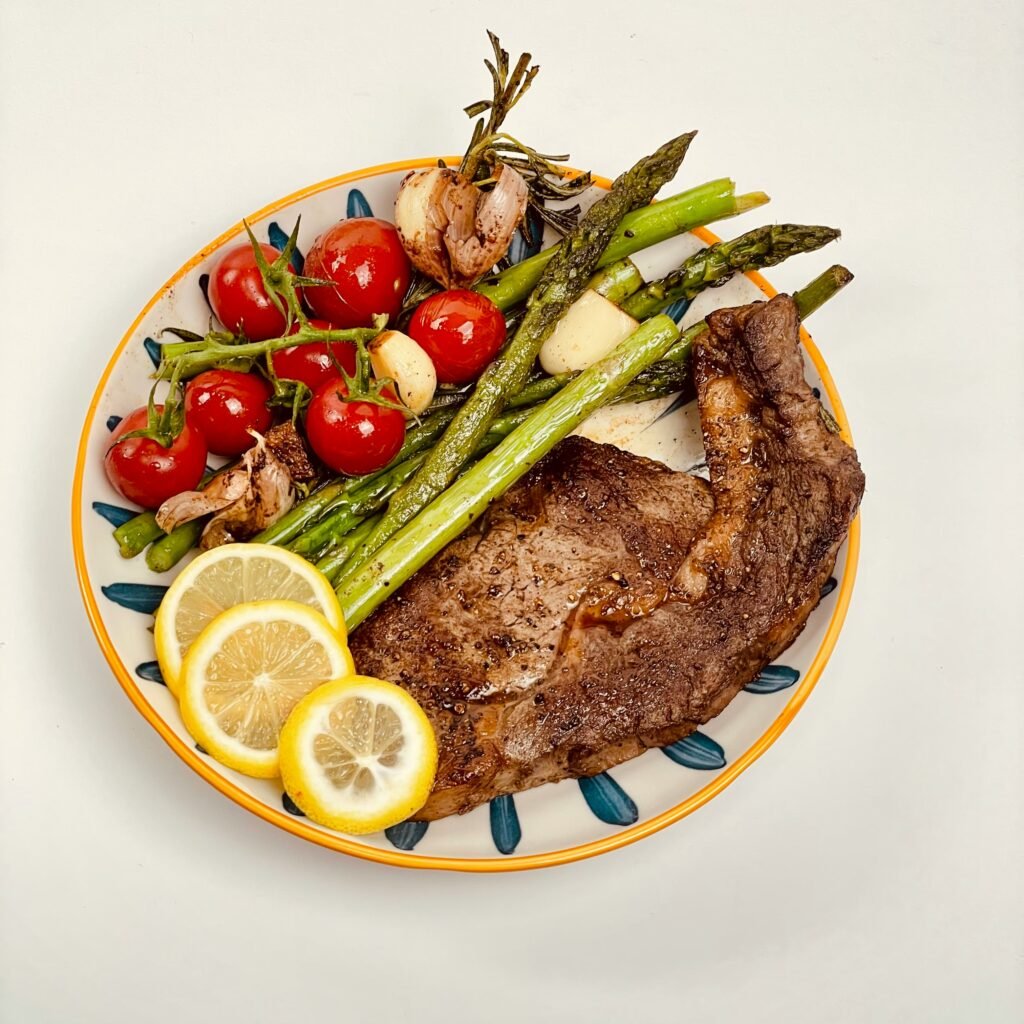
Halal Beef Steak – From Luxury to Lifestyle
Steak used to feel like a luxury item. Now, it’s surprisingly common.
I remember the first halal steakhouse I visited. I was skeptical. Could a steak without wine-based sauces or non-halal ingredients still taste authentic? The answer was a clear yes.
Common Steak Choices in Malaysia
- Ribeye
- Sirloin
- Tenderloin
All halal-certified, often sourced locally or from halal-certified international suppliers.
Personal Experience
- Malaysians like their steak simple but flavorful. From what I’ve seen and tasted:
- Medium-well is more popular than rare
- Black pepper and mushroom sauces are favorites
- Sides like mashed potatoes and grilled vegetables are expected
- Steak nights have become common for birthdays, anniversaries, and even casual hangouts.
-
Burgers – A Malaysian Obsession
If you think burgers are just fast food in Malaysia, think again.
Street Burgers vs Café Burgers
I’ve eaten burgers from:
- Night market stalls
- Food trucks
- Trendy cafés
- International halal chains
Each has its own charm.
What Makes Malaysian Halal Burgers Unique
From personal experience:
- Beef and chicken patties are halal-certified
- Spicy sauces are more popular than sweet ones
- Add-ons like fried eggs, cheese, and sambal are common
Ramly burgers deserve a special mention. They are not just burgers—they are nostalgia. Wrapping the patty in egg, adding margarine, and layering sauces is a ritual Malaysians understand deeply.
-
Halal Pizza – A Shared Love
Pizza nights are common in Malaysian households, especially for families.
Why Pizza Works So Well
- Easy to share
- Customizable topping
- Halal-friendly ingredients
From my experience, Malaysians prefer:
- Chicken pepperoni
- BBQ chicken
- Beef salami (halal-certified)
Local pizza outlets often add spicy twists—extra chili flakes, sambal drizzles, or even rendang-inspired toppings.
-
Pasta – Comfort Food with a Western Touch
- Pasta has quietly become a comfort food for many Malaysians, including me.
- Popular Halal Pasta Dishes
- Spaghetti Bolognese (beef-based)
- Creamy chicken carbonara (without alcohol)
- Aglio olio with shrimp or chicken
Personal Observation
Malaysians like pasta that’s:
- Creamy
- Rich
- Well-seasoned
Portions are often larger than what you’d find in Europe, which suits our appetite perfectly.
-
Fish and Chips – A Classic Reimagined
Fish and chips may sound basic, but in Malaysia, it’s a beloved halal Western dish.
Why It’s Popular
- No halal complications with fish
- Light yet filling
- Perfect for all age groups
From personal experience, local versions are:
- Crispier
- Less greasy
- Served with chili sauce instead of just tartar
Some places even use local fish varieties, giving it a unique Malaysian character.
-
Fried Chicken – Western but Universally Loved
Fried chicken might be global, but Malaysians have fully claimed it.
Halal Fried Chicken Culture
From international chains to local brands, halal fried chicken is everywhere. I’ve noticed Malaysians prefer:
- Extra crispy coating
- Spicy options
- Generous portions
Family gatherings, celebrations, and even study sessions often include fried chicken.
-
Sandwiches and Wraps – The Rise of Light Western Meals
In recent years, I’ve noticed a growing demand for lighter Western options.
Popular Choices
- Grilled chicken sandwiches
- Beef wraps
- Chicken shawarma-style wraps (Western-Middle Eastern fusion)
These are especially popular among office workers and students.
-
Western Breakfasts – A Growing Trend
Breakfast cafés have exploded across Malaysia.
- Common Halal Western Breakfast Items
- Scrambled eggs with toast
- Beef or chicken sausages
- Hash browns
From my experience, Malaysians enjoy Western breakfasts as a weekend treat rather than a daily habit.
-
Desserts – Sweet Western Endings
No Western meal feels complete without dessert.
Popular Halal Western Desserts
- Cheesecake
- Brownies
- Waffles
- Ice cream
Malaysians love desserts that are rich but not overly sweet. Many cafés now offer halal-certified desserts, making it easier to indulge without worry.
Why Halal Certification Matters So Much?
From personal experience, halal certification builds trust. Malaysians actively check for halal logos, ask questions, and support businesses that are transparent.
Halal Western food isn’t just about removing pork or alcohol—it’s about assurance, ethics, and respect for the consumer.
The Emotional Connection Malaysians Have with Halal Western Food
For me, halal Western food is tied to memories:
- Late-night burgers with friends
- Family dinners at casual cafés
- Celebrating milestones over steak or pizza
It’s not replacing traditional food—it’s complementing it.
-
Western Grilled Lamb and Beef Dishes – A Growing Malaysian Favorite
Over the years, I’ve noticed grilled lamb and beef dishes slowly gaining popularity, especially among Malaysians who want something a bit more premium than chicken but still comforting. Lamb shoulder, lamb cutlets, and grilled beef slices are now common sights on halal Western menus.
From my personal experience, Malaysians enjoy lamb when it’s:
- Well-marinated to remove the strong smell
- Grilled rather than roasted
- Paired with bold sauces like black pepper, rosemary gravy, or spicy chili sauce
Many local cafés serve grilled lamb with rice instead of potatoes, which instantly makes it feel more Malaysian. This small adjustment shows how Western food is constantly localized here.
-
Halal Western Food in Cafés – A Lifestyle, Not Just a Meal
Café culture has transformed how Malaysians experience Western food. I’ve spent countless afternoons in cafés—working, chatting with friends, or simply people-watching—and Western dishes are almost always at the center of the menu.
From my observation, cafés focus on:
Presentation
Comfort dining
Instagram-friendly plating
Yet, taste still matters. Malaysians may enjoy aesthetic food, but we won’t return if it doesn’t taste good. That’s why many cafés balance visual appeal with bold flavors.
-
Western Food and Malaysian Youth Culture
Western food has become deeply tied to youth culture in Malaysia. Students often choose Western meals because they feel modern, casual, and social.
Based on my experience:
- Chicken chop is a student favorite due to price
- Pasta is popular for quick lunches
- Burgers dominate late-night cravings
Food trucks and pop-up stalls have made Western food more accessible to younger crowds, especially near universities.
-
Halal Western Food for Family Gatherings
Western food isn’t just for cafés or young people. I’ve seen many Malaysian families choose Western dishes for celebrations.
Common occasions include:
- Birthdays
- Anniversaries
- Graduation dinners
Families appreciate Western food because it suits all ages. Kids enjoy fried chicken and pasta, while adults opt for steak or fish and chips. From my experience, this versatility makes Western cuisine a safe and popular choice.
-
Western Food at Weddings and Events
One surprising trend I’ve noticed is the inclusion of Western food at weddings and formal events.
Chicken chop, grilled fish, and pasta stations are now common alongside traditional Malay dishes. From personal observation, guests enjoy having variety—it makes the event feel modern and inclusive.
- How Malaysian Taste Preferences Shape Western Dishes
Western food in Malaysia rarely stays “pure.” It evolves.
From my experience, Malaysians prefer food that is:
Flavorful rather than bland
Slightly spicy
Rich in sauce
That’s why you’ll often find Western dishes served with sambal, chili sauce, or extra gravy. This fusion is not forced—it happens naturally because of local taste preferences.
-
Price and Accessibility of Halal Western Food
One reason Western food has grown so popular is affordability. While premium steakhouses exist, many halal Western meals are reasonably priced.
From my experience:
- Chicken chop is one of the most cost-effective meals
- Burgers offer good value for money
- Pasta portions are generous
This accessibility allows Western food to be enjoyed regularly, not just on special occasions.
-
Home-Cooked Halal Western Food in Malaysia
Western food isn’t limited to restaurants. Many Malaysians cook Western dishes at home.
I’ve personally seen:
- Homemade spaghetti nights
- Grilled chicken for family dinners
- Oven-baked chicken replacing traditional frying
- Halal ingredients are easy to find in supermarkets, making Western cooking approachable even for beginners.
-
Influence of Social Media on Western Food Trends
Social media has played a major role in popularizing halal Western dishes.
From my observation:
- Viral café dishes quickly gain attention
- Presentation matters more than ever
- Reviews influence dining choices
However, Malaysians are honest food critics. A dish may go viral, but it won’t survive without good taste.
-
Why Malaysians Trust Local Halal Western Brands
While international brands are popular, many Malaysians trust local halal Western restaurants more.
From my experience, local brands:
- Understand local taste preferences
- Are transparent about ingredients
- Innovate more boldly
Supporting local halal businesses also feels meaningful, especially within the Muslim community.
- The Balance Between Tradition and Western Influence
Some people worry that Western food may overshadow traditional cuisine. From my personal experience, this fear is unfounded.
Malaysians don’t replace nasi lemak with pasta—we enjoy both. Western food fills different moments in life: casual meetups, celebrations, or comfort eating.
-
The Future of Halal Western Food in Malaysia
Based on everything I’ve seen and tasted, halal Western food in Malaysia will continue to grow.
I expect:
- More fusion dishes
- Healthier Western options
- Greater emphasis on halal transparency
The demand is real, and the love is genuine.
Final Thoughts: More Than Just Western Food
Popular halal Western dishes in Malaysia are not just borrowed recipes from the West. They are reshaped by Malaysian values, taste buds, and daily habits.
From chicken chop and burgers to steak, pasta, and desserts, these dishes have become part of our shared food culture. Based on my personal experience, halal Western food represents comfort, trust, and togetherness.
In Malaysia, food doesn’t compete—it coexists. And halal Western cuisine has earned its place at our table.
.