
From Hawker Stalls to Cafes: My Daily Eating Routine in George Town
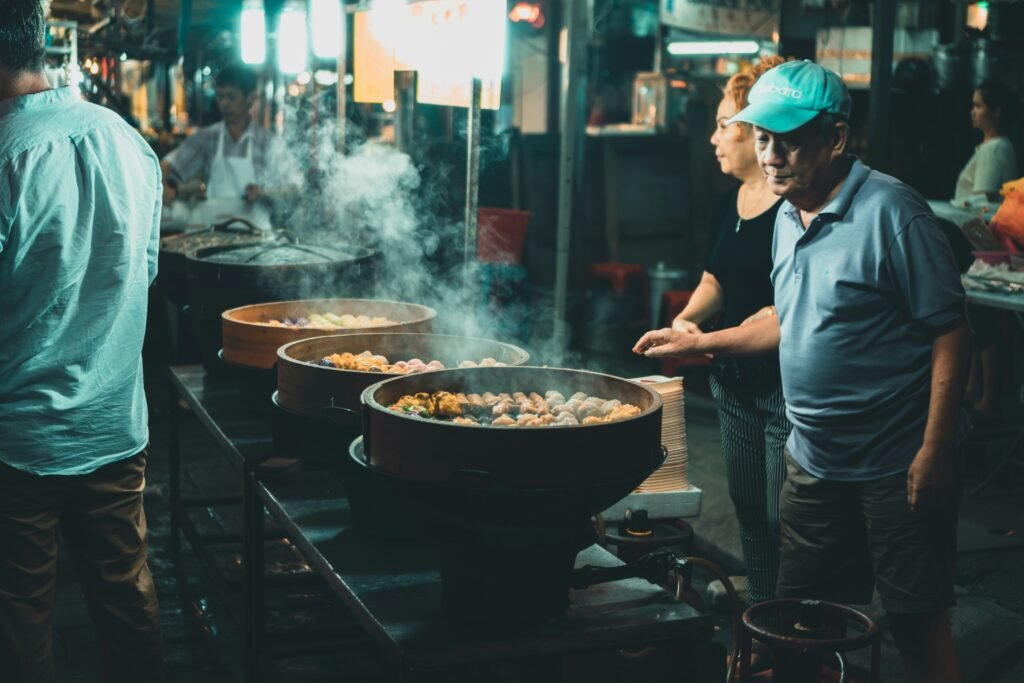
George Town, Penang, is one of those rare cities where every corner feels like a culinary adventure. Some people plan their day around sightseeing; I plan mine around eating. In fact, when I first arrived, I thought I would explore temples, museums, and historic streets. Instead, food became the map that guided me. Every turn seemed to lead to a new aroma, every street corner promised a discovery. From sunrise breakfasts at hawker stalls to lazy afternoons in hipster cafes, my daily routine here quickly turned into a delicious ritual.
Let me take you through one of my typical food-filled days in George Town, a city that taught me how to live through taste.
Morning: Starting the Day with Kopitiam Breakfast
I woke up early, the streets of George Town just beginning to hum with life. The air was still cool, and the sidewalks were only starting to fill with locals heading to work or school. My first stop was a kopitiam, the traditional coffee shop that has become an essential part of daily life in Malaysia.
Walking into a kopitiam felt like stepping back in time. The walls were decorated with faded calendars, the wooden tables carried scratches from decades of use, and the ceiling fans whirred lazily above. The smell of kaya toast and strong kopi filled the air, mixing with the soft chatter of uncles in shorts and slippers who were already buried in their morning newspapers.
I ordered the classic trio that defines a Malaysian breakfast:
- Kaya toast (around RM3)– warm, crunchy bread filled with coconut jam and butter.
- Soft-boiled eggs (RM2–3) – cracked into a saucer, sprinkled lightly with soy sauce and white pepper.
- Kopi O (RM2) – a strong, black coffee that was slightly bitter but bold enough to wake up every nerve.
It wasn’t a glamorous spread, but there was comfort in its simplicity. The kind of breakfast that hugged you from the inside, reminding you that good food does not need to be complicated.
Mid-Morning Snack: Char Kuey Teow at a Hawker Stall
By 10 a.m., I was already on the hunt again. The smell of fried noodles drifted through the streets like a magnet pulling me closer. I soon found myself at a roadside stall where the wok was so hot it looked like it could set the sky on fire. Flames leapt high as the stall owner tossed flat rice noodles with prawns, bean sprouts, Chinese chives, eggs, and dark soy sauce.
This was char kuey teow in its most authentic form. Cooked quickly over intense heat, it carried that distinctive smoky flavor known as wok hei, something no fancy kitchen could replicate.
The plate cost about RM7–8, and I ate it perched on a tiny plastic stool, sweat dripping down my forehead from both the heat and the spice. Around me, locals were slurping noodles just as happily, chatting with friends or eating in silence before returning to work.
Each bite was rich, savory, and unforgettable. This wasn’t just food—it was the beating heart of Penang’s street culture.
Lunch: Nasi Kandar – A Penang Icon
By noon, my appetite had returned, ready for something heartier. In George Town, that usually means nasi kandar, a dish that represents the Indian-Muslim heritage of Penang.
I stepped into a restaurant with long counters lined with steaming trays of curry. There were at least ten varieties—chicken curry, beef rendang, squid sambal, and vegetables prepared in spices that filled the air with warmth.
I pointed at a piece of fried chicken, some okra, and a ladle of fish curry, all served over a mountain of white rice. But the magic happened when the server poured a mix of gravies onto the plate, letting them blend together into a colorful, flavorful chaos.
The plate cost me RM10, and each spoonful carried layers of flavor—spicy, creamy, tangy, and earthy all at once. Eating nasi kandar felt like joining a centuries-old tradition, one that brought communities together over food. It wasn’t just lunch; it was a celebration of culture.
Afternoon Break: Hipster Café Hopping
By the time the sun was high, the heat had slowed me down. George Town isn’t just about hawker stalls—it’s also a paradise for café lovers. Around 3 p.m., I ducked into one of the many heritage shophouses that had been transformed into stylish cafes.
Inside, the atmosphere was completely different from the bustling streets. Exposed brick walls, mismatched furniture, and local art on the walls gave the place a cozy charm. Indie music played softly in the background as travelers typed away on laptops or flipped through guidebooks.
My order was simple but indulgent:
Iced latte (RM12–15) – perfectly smooth, topped with delicate latte art that was almost too pretty to drink.
A slice of gula melaka cheesecake (RM10–12) – a clever twist that blended traditional palm sugar with modern dessert culture.
I sat by the window, sipping slowly, jotting notes into my journal, and watching the world pass by. Café hopping in George Town wasn’t just about coffee; it was about slowing down and appreciating the city’s blend of old and new.
Evening Snack: Assam Laksa at Gurney Drive
As the sun began to dip, I made my way toward Gurney Drive Hawker Centre, one of Penang’s most famous night food spots. My mission was clear: to try the legendary assam laksa.
For just RM7, I received a steaming bowl filled with thick rice noodles swimming in tamarind-based broth. The soup was packed with shredded mackerel, onions, mint leaves, cucumber, chilies, and a spoonful of pungent shrimp paste.
The first sip was shocking. Sour, spicy, tangy, and slightly fishy—it was unlike any soup I had ever tasted before. But the more I ate, the more addictive it became. By the last spoonful, I understood why assam laksa had become a symbol of Penang.
Around me, families, students, and tourists filled the tables, their laughter mixing with the sizzling sounds from nearby stalls. The sea breeze added to the magic, reminding me that food here wasn’t just nourishment—it was atmosphere.
Dinner: Street Satay with Friends
Dinner that night was casual but full of flavor. I joined a small group at a roadside stall selling satay. The smoke from the grill rose into the night sky as skewers of marinated chicken and beef sizzled over glowing charcoal.
At RM1.50 each, the skewers were both affordable and delicious. Dipped into thick, nutty peanut sauce, the satay was smoky, sweet, and slightly charred at the edges. Sharing it with friends made it even better—passing plates, dipping skewers, and laughing between bites.
It struck me then that satay wasn’t just food. It was a social ritual, a way for strangers to become friends and for locals to bond over something simple yet satisfying.
Nightcap: Teh Tarik and Kuih
Before heading back to my guesthouse, I needed one last indulgence. Near my accommodation, I found a small stall still open past midnight. It was lit by a single yellow bulb, with just a few plastic chairs scattered around.
I ordered two things:
Teh tarik (RM3) – the frothy, creamy pulled tea that Malaysians are so proud of. Watching the vendor pour the tea back and forth between two metal cups was a performance in itself.
Kuih-muih (RM1–2 each) – colorful Malay cakes made from rice flour, coconut, and pandan. Some were chewy, others soft, but all were sweet little bites of happiness.
Sitting there in the quiet night, sipping my hot tea while the city slowly calmed down, I realized something. George Town’s food culture wasn’t just about eating; it was about rhythm and community. The city carried you from one dish to another, from morning to midnight, without missing a beat.
Conclusion: Living to Eat in George Town
By the end of the day, I had spent less than RM60 and eaten like a king. From humble kopitiams to stylish cafes, from smoky hawker stalls to seaside food courts, George Town transformed every meal into an adventure.
For me, food here was more than a daily routine. It was the heartbeat of the city. Each dish carried a story of migration, history, and community. Every bite connected me to the people who had created these recipes generations ago.
If you are coming to Penang, don’t plan your trip only around tourist attractions. Plan it around your meals. Trust me—your stomach will thank you, and so will your soul.
Frequently Asked Questions
What is the best time to eat street food in George Town?
Street food stalls usually open from late morning until late at night. The best time is in the evening when hawker centres like Gurney Drive come alive.
How much should I budget for food in George Town per day?
You can eat very well on RM50–70 per day. Street food dishes cost between RM5 and RM10, while café meals may cost around RM20–30.
Is it safe to eat at hawker stalls?
Yes, hawker stalls in Penang are generally safe and clean. Food is cooked fresh in front of you. Just choose stalls with a good crowd, as that usually indicates quality and hygiene.
What dishes should first-time visitors try?
Must-try dishes include char kuey teow, nasi kandar, assam laksa, satay, and local breakfast sets like kaya toast with kopi.
Are vegetarian options available?
Yes, while Penang is famous for meat and seafood dishes, many hawker stalls and Indian restaurants offer vegetarian meals. Cafes also usually have vegetarian-friendly options.
Can I experience George Town food culture in one day?
One day gives you a good introduction, but George Town’s food scene is so diverse that you could spend weeks exploring and still discover new dishes daily.